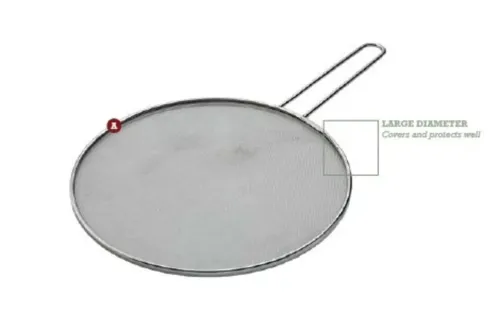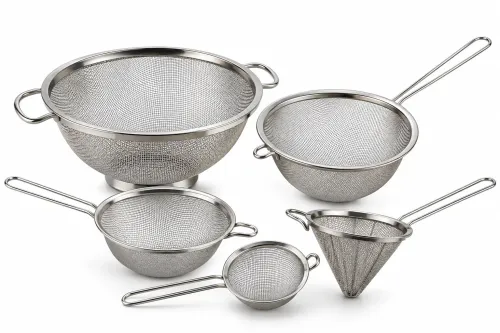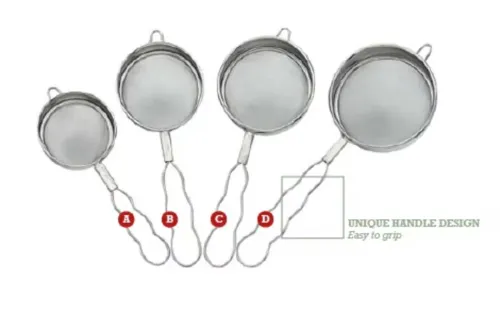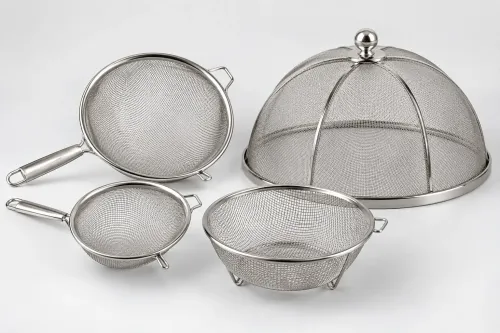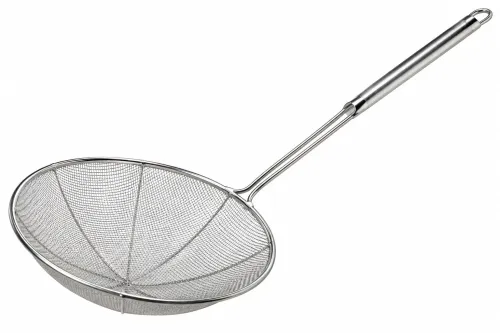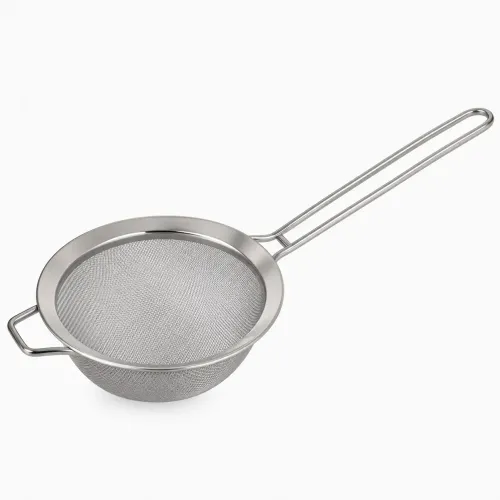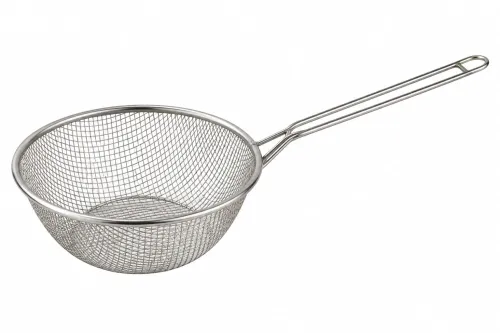
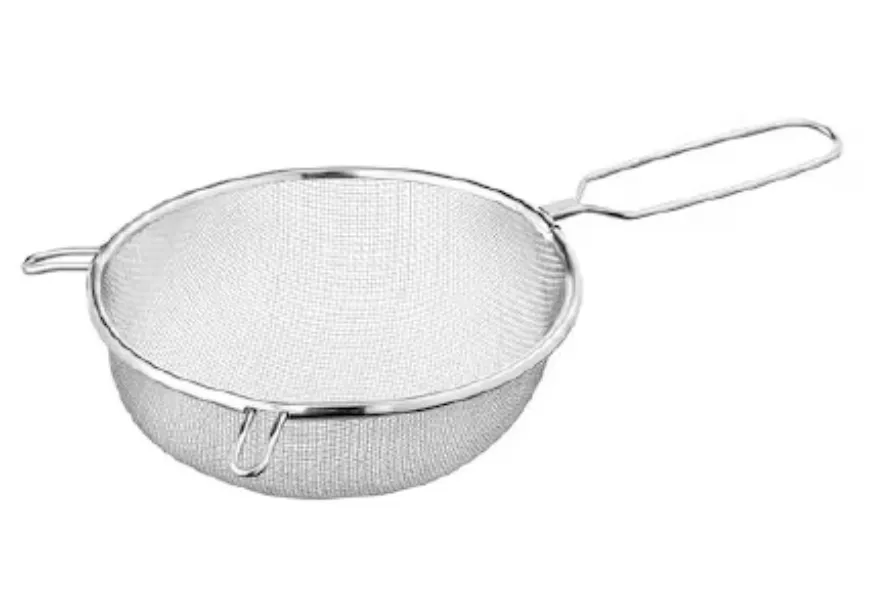
Commercial kitchens depend on simple tools that can withstand repeated use, frequent washing, and demanding food preparation routines. Among these everyday essentials, Galvanised Iron Strainers continue to serve practical purposes in kitchens where durability, handling convenience, and dependable performance matter.
Restaurants, catering units, food preparation businesses, and kitchen equipment dealers often need strainers in different sizes and constructions. Understanding where galvanised iron options fit can make product selection easier.
What Makes Galvanised Iron Suitable for Strainers
Galvanised iron is iron or steel protected with a zinc coating. This coating helps reduce direct exposure of the underlying metal to moisture and environmental conditions.
For suitable kitchen and utility applications, this construction can provide several practical qualities:
- Strong structural support
- Resistance to everyday handling
- Availability in multiple sizes
- Practical performance for repetitive tasks
- Good durability when maintained correctly
The actual suitability of a strainer depends on its intended food-contact application, construction quality, mesh design, and maintenance requirements.
Where These Strainers Can Be Useful
Different kitchens use strainers for different purposes. A restaurant may need large strainers for bulk preparation, while a catering operation may require several sizes for handling ingredients during high-volume service.
They may be selected for activities such as draining, filtering, washing, and handling suitable ingredients. Dealers also commonly maintain different sizes because requirements vary significantly between domestic and commercial buyers.
In Mumbai, where restaurants, caterers, food businesses, and commercial kitchen suppliers serve a broad hospitality market, practical utensils that can handle frequent use remain important.
Construction Quality Makes a Difference
Two strainers made from similar materials can perform very differently. Buyers should examine more than the basic material description.
Important details include:
Mesh consistency
Uniform openings help provide predictable filtering and draining.
Frame strength
A well-supported rim helps the strainer maintain its shape during repeated handling.
Handle attachment
Where handles are provided, secure joining is important for regular kitchen use.
Surface finishing
Smooth workmanship makes utensils easier and safer to handle.
Appropriate sizing
The diameter and depth should match the quantities normally processed.
For dealers and distributors, consistency across multiple pieces is particularly important because customers expect similar specifications when reordering.
Care Helps Extend Working Life
Even durable utensils benefit from appropriate maintenance. Strainers should be cleaned after use and stored according to their material and intended application.
Avoid leaving food residue trapped in mesh openings for extended periods. Thorough cleaning also helps maintain efficient drainage and reduces the possibility of buildup.
Commercial kitchens should additionally follow their applicable food-safety procedures when selecting, using, cleaning, and maintaining food-contact utensils.
Selecting Strainers for Regular Kitchen Work
Before choosing a product, consider the actual task rather than purchasing only by diameter.
Ask practical questions such as:
- What ingredients will be handled?
- How frequently will the strainer be used?
- What mesh opening is appropriate?
- What capacity does the kitchen require?
- Is the utensil intended for domestic, commercial, or institutional use?
- What cleaning routine will be followed?
These questions help narrow down the appropriate construction and size.
Manufacturers such as Unistar Kitchen Strainers in Mumbai cater to buyers seeking kitchen strainers across different applications and specifications. For wholesalers and commercial kitchen suppliers, working with manufacturers that offer a useful product range can simplify sourcing.
Galvanised iron strainers remain relevant where their material and construction suit the intended application. Rather than treating every strainer as interchangeable, buyers should evaluate build quality, mesh, size, handling, and maintenance needs. The right selection can make routine kitchen preparation more efficient while giving businesses a dependable utensil for repeated use.
Keywords