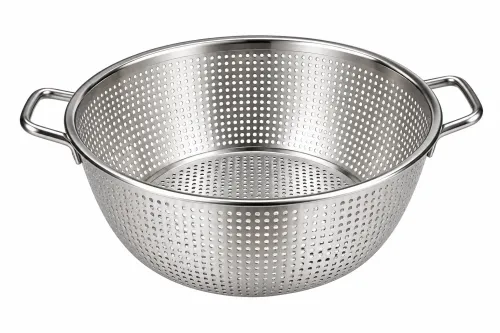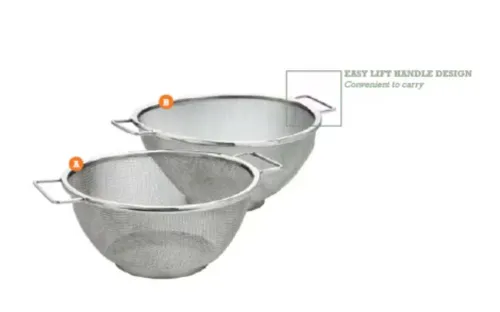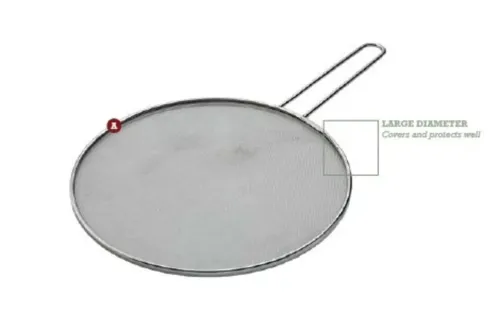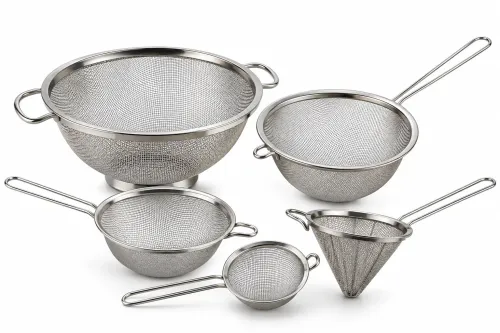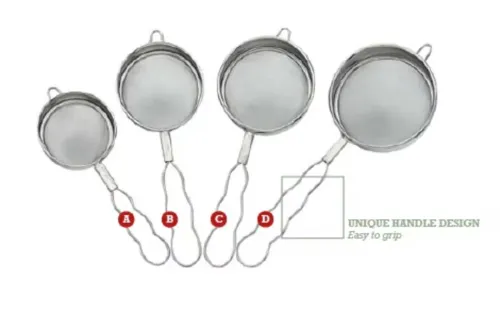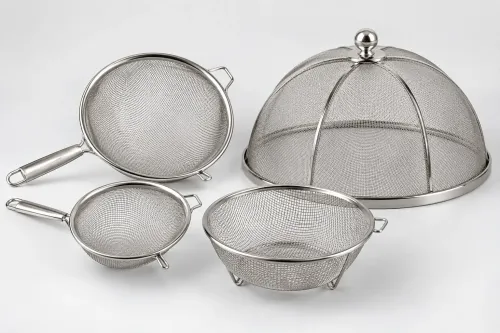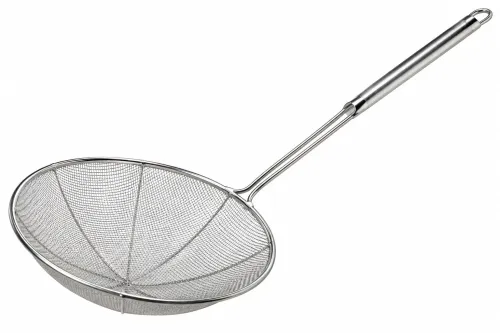
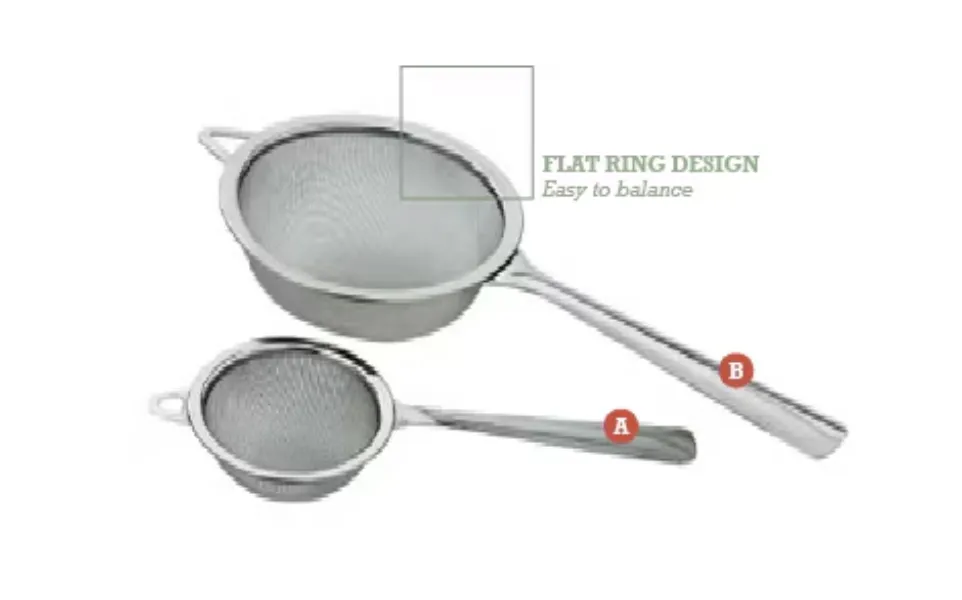
Tea strainers are small products with a large potential customer base. Homes, cafés, restaurants, offices, hotels, canteens, and tea-serving businesses all use them, although their preferred sizes and designs may differ.
For retailers and wholesalers sourcing a Steel Tea Strainer, stocking decisions should be based on more than price. Product construction, customer segment, repeat demand, and consistency all influence whether a particular model belongs in a profitable kitchenware range.
Identify the Main Customer Segment
Start by understanding who buys most frequently from your business.
Domestic customers may prefer compact, easy-to-store designs. Cafés and restaurants may prioritize repeated use and comfortable handling. Commercial kitchen suppliers may need products that can be ordered consistently in larger quantities.
Trying to satisfy every buyer with one model can limit sales. A small, purposeful range often works better.
Keep Useful Size Options
Tea preparation quantities vary considerably.
A household may prepare only a few cups at a time. Restaurants, canteens, and catering operations may work with larger serving quantities.
Dealers can therefore consider carrying selected sizes rather than many nearly identical variations.
The exact range should be guided by actual customer demand.
Inspect Mesh and Frame Quality
The mesh is central to tea strainer performance. It should provide suitable filtration while allowing liquid to pass without unnecessary delay.
Inspect whether the mesh appears consistent across the working area and whether it is securely supported by the surrounding frame.
The rim should retain its shape during normal handling, and finishing around joints should be neat.
Evaluate the Handle
Tea strainers are lifted repeatedly, making the handle a major usability feature.
Look for a handle that feels balanced relative to the strainer head. The joining point should be stable, and the shape should support convenient handling.
Retailers should consider how the product feels in the hand because this is something customers often assess immediately in-store.
Consider Cleaning Convenience
Fine tea particles can become trapped in mesh openings. A design that is difficult to rinse thoroughly may be less convenient for frequent users.
Smooth finishing and accessible construction can support easier routine cleaning.
For commercial food-service customers, products should also fit into established sanitation procedures.
Compare Bulk Value Rather Than Unit Price Alone
A low purchase price can be attractive to dealers, but it should not be evaluated in isolation.
Consider whether the product has consistent dimensions, acceptable finishing, suitable packaging, repeat supply, and a price point appropriate for the intended customer segment.
A slightly different buying price may make sense if it supports better product consistency and fewer customer complaints.
Mumbai's extensive network of kitchenware retailers, tea businesses, hospitality establishments, and distributors creates demand at multiple price and specification levels. Dealers serving the wider Maharashtra market can benefit from segmenting stock accordingly.
Assess the Supplier Behind the Product
Trade buyers should confirm whether the manufacturer can provide the specifications needed consistently.
Unistar Kitchen Strainers manufactures steel tea strainers and other kitchen strainers in Mumbai. For retailers and distributors, discussing size ranges, construction, quantities, and customer requirements before ordering can make stock selection more precise.
A tea strainer may occupy very little shelf space, but customers notice usability quickly. Good mesh, stable construction, practical sizing, comfortable handling, and consistent manufacturing can turn a basic kitchen product into a dependable repeat-selling item.
For dealers, choosing the right assortment is ultimately about matching these product characteristics with the customers they actually serve.
Keywords