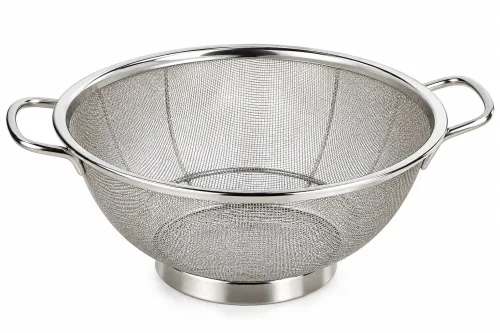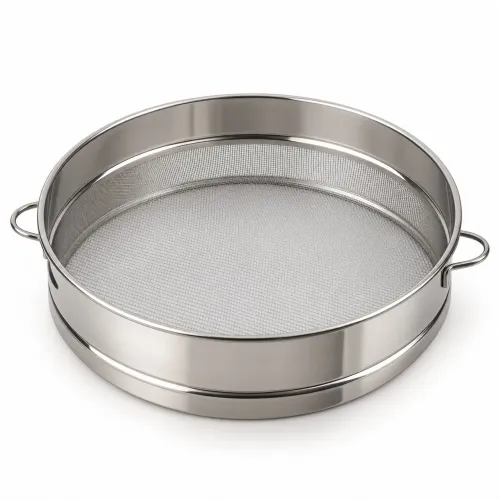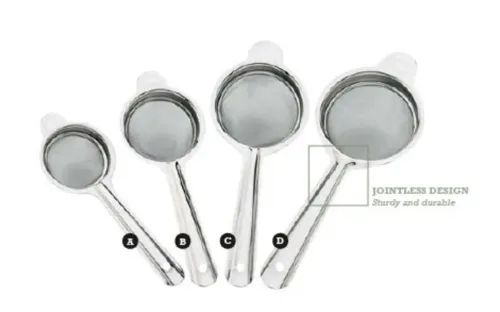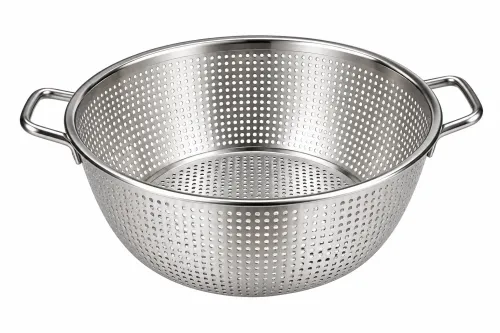
Strainers are used across homes, restaurants, hotels, catering operations, commercial kitchens, and food-service establishments, but their requirements are not identical. This makes choosing among Kitchen Strainer Manufacturers more involved than simply comparing product prices.
For dealers and commercial buyers, the manufacturer also needs to support consistent specifications, practical product choices, and dependable repeat procurement.
Begin With the Required Strainer Type
Before approaching manufacturers, define what your customers or kitchen operation actually requires.
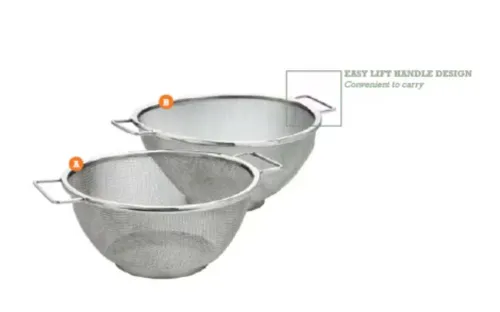
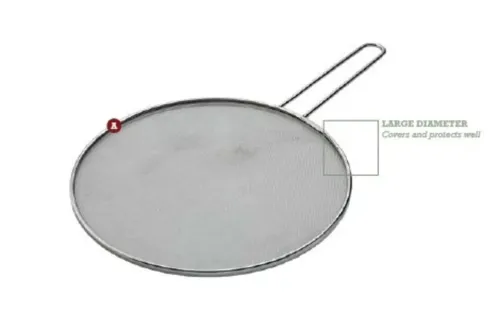
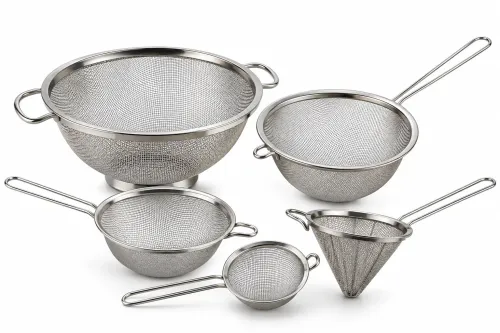
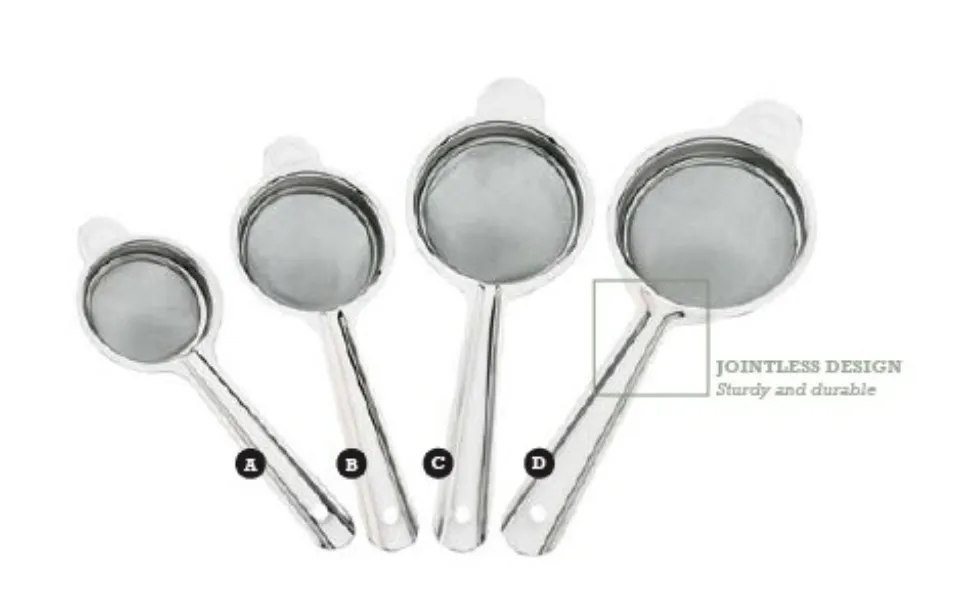
The category can include products with different:
- Diameters
- Mesh configurations
- Frame designs
- Handle styles
- Depths
- Materials
- Intended applications
A supplier offering several relevant configurations may be more useful to a distributor than one offering a large catalogue that does not match its customer base.
Assess Product Construction
Samples should be evaluated carefully.
Check whether the mesh is uniformly fitted and whether the surrounding frame feels stable. Handles should be securely attached where applicable, and exposed edges should have appropriate finishing.
For products that will receive repeated commercial use, examine how the different components are joined.
Consistency is particularly important when purchasing in batches. One strong sample has limited value if subsequent units differ substantially.
Compare Specifications Instead of Names Alone
Two products sold under the same general name can have different dimensions, wire construction, mesh openings, weight, or finishing.
This is why quotations should ideally be compared against clearly defined specifications.
When requesting information, buyers can specify:
- Product type
- Required diameter
- Mesh requirement
- Material preference
- Approximate quantity
- Packaging requirement
- Delivery destination
- Any application-specific requirement
Clear enquiries generally produce more useful commercial quotations.
Think About Your Customer Mix
A kitchenware retailer may sell primarily to household buyers. A hospitality distributor may serve restaurants and hotels. An exporter may need products suited to a completely different market.
Product selection should reflect this customer mix.
Mumbai's kitchenware market serves a particularly diverse range of buyers, from local retailers to large hospitality and food-service businesses. Manufacturers capable of supporting several relevant product categories can simplify procurement for businesses building broader inventories.
Review Repeat Supply Capability
Commercial purchasing rarely ends with the first order.
If a particular strainer performs well and sells consistently, buyers need to know whether the same specification can be sourced again.
Ask about:
- Regularly manufactured sizes
- Production capacity
- Typical order quantities
- Repeat specification availability
- Packaging formats
- Dispatch arrangements
For distributors serving customers across Maharashtra, continuity can be more valuable than saving a small amount on an inconsistent supply source.
Price Should Be Evaluated With Product Value
The lowest unit price does not necessarily represent the lowest procurement cost.
Products with inconsistent dimensions, weak construction, avoidable finishing problems, or unsuitable packaging can create returns, complaints, and replacement costs.
Commercial evaluation should therefore consider price alongside specification, quality consistency, usability, packaging, and supply reliability.
Build Procurement Around Clear Requirements
A good manufacturer comparison begins with a good purchasing brief.
Unistar Kitchen Strainers is a Mumbai-based manufacturer serving businesses looking for kitchen strainers, sieves, baskets, and related kitchenware products. Dealers, distributors, hotels, restaurants, exporters, and catering businesses can make more informed purchasing decisions by comparing actual samples and specifications rather than choosing a supplier from price lists alone.
The objective is not simply to find a strainer. It is to establish whether the product and manufacturing capability are suitable for the buyer's ongoing requirements.
Keywords