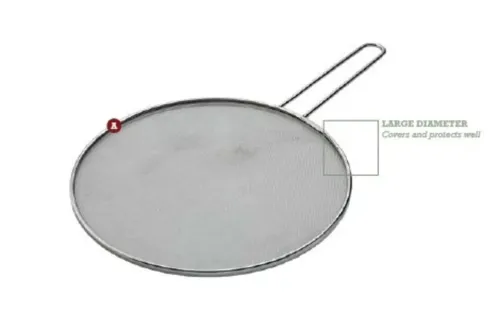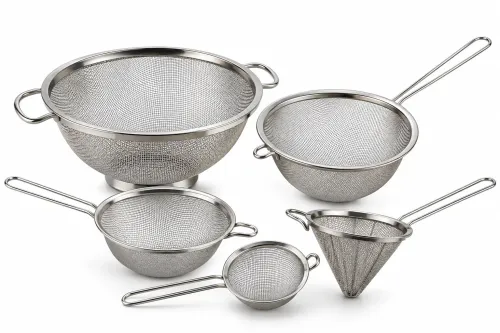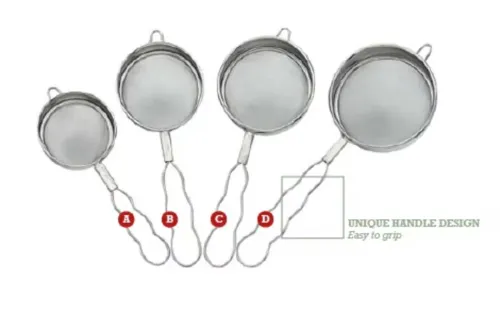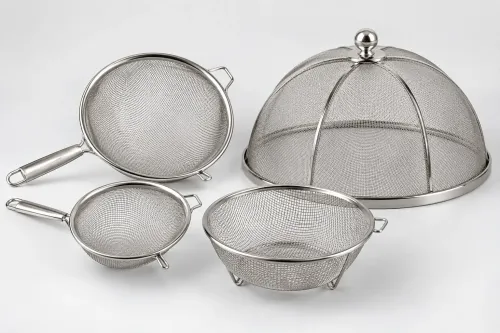
Sieving is an important preparation step in bakeries, restaurants, catering units, sweet shops, food-processing environments, and commercial kitchens. Fixed Sieves provide a straightforward solution when a particular mesh configuration is regularly required for the same type of preparation.
Choosing a sieve, however, should involve more than selecting an approximate diameter. Mesh size, frame stability, material, depth, cleaning requirements, and processing quantity all influence practical performance.
What Is a Fixed Sieve
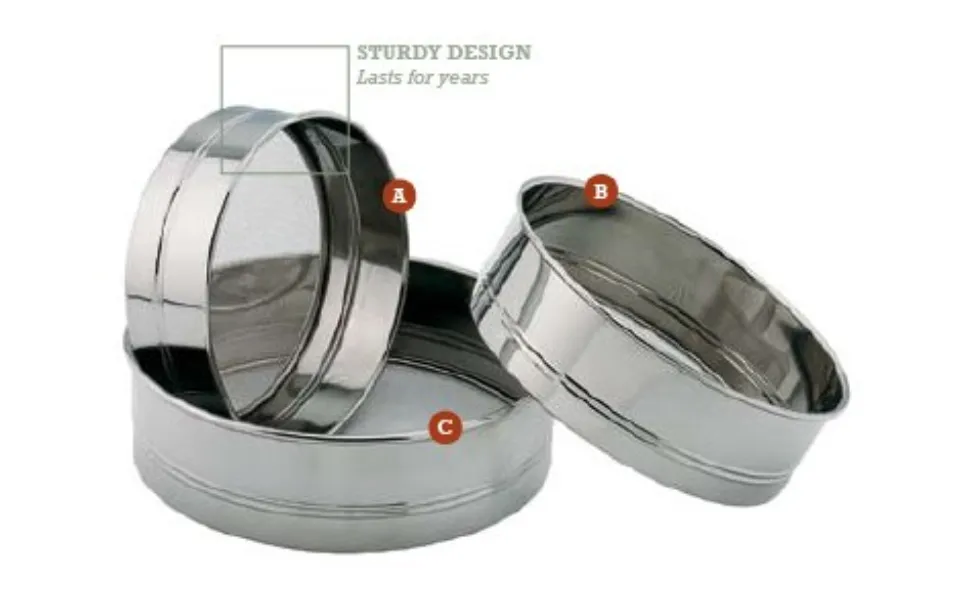
A fixed sieve is designed with a permanently fitted mesh rather than a removable or replaceable screening section.
This simple construction can be useful when the same screening requirement occurs repeatedly. Kitchen staff can select the appropriate sieve and begin work without changing mesh inserts before each use.
Applications can vary according to specification and may include flour preparation, dry ingredient screening, separation, and other kitchen or food-processing activities.
Mesh Selection Determines the Result
The mesh is one of the most important parts of any sieve.
A finer opening allows smaller particles to pass through, while retaining comparatively larger particles. A wider opening produces a different separation result and may allow material to pass more quickly.
Commercial buyers should therefore avoid ordering a sieve solely according to its outer diameter.
The required result should be defined first.
For example, consider:
- Ingredient being processed
- Desired fineness
- Typical batch quantity
- Frequency of use
- Required processing speed
- Cleaning method
These factors provide a much better basis for selecting a sieve.
Frame Stability Matters During Repeated Use
A commercial sieve may be lifted, shaken, tapped, washed, stacked, and reused many times throughout the working week.
Its frame should therefore remain stable under normal intended use. The mesh should also be properly secured without obvious gaps or poorly finished areas.
For kitchenware retailers and distributors, consistent construction is particularly important. Customers buying replacement units often expect them to perform similarly to earlier purchases.
Size Should Reflect Batch Volume
A bakery processing significant quantities of dry ingredients may need a different diameter from a small restaurant preparing limited batches.
Larger is not necessarily better. An oversized sieve can become cumbersome when used over smaller containers, while an undersized model can slow down bulk preparation.
Buyers should consider both batch quantity and the dimensions of the receiving container.
Fixed Designs Can Simplify Routine Work
Where one mesh specification is used repeatedly, a fixed design has the advantage of simplicity.
There are no interchangeable sections to identify, fit, remove, or store. This can make the product practical for repetitive tasks where flexibility is less important than straightforward operation.
Businesses requiring several screening levels can instead keep separate fixed sieves with clearly differentiated specifications.
Consider Procurement Beyond the First Order
Mumbai has a substantial network of restaurants, caterers, food businesses, kitchenware retailers, and hospitality suppliers. For commercial buyers in Maharashtra, procurement often involves repeat requirements rather than a single purchase.
Before placing a volume order, it is useful to assess:
- Available sieve sizes
- Mesh specifications
- Construction consistency
- Bulk quantities
- Packaging
- Supply continuity
- Product range
A representative sample can also help buyers determine whether dimensions and construction meet their requirements.
Selecting a Sieve That Fits the Process
The right sieve should be selected around the material being processed and the desired screening result.
Businesses evaluating Fixed Sieves should pay particular attention to mesh opening, usable diameter, frame quality, handling, and cleaning. Unistar Kitchen Strainers supplies strainers, sieves, and related kitchenware for different commercial requirements, giving dealers and food-service buyers in Mumbai a source to evaluate when building a practical kitchenware range.
Keywords