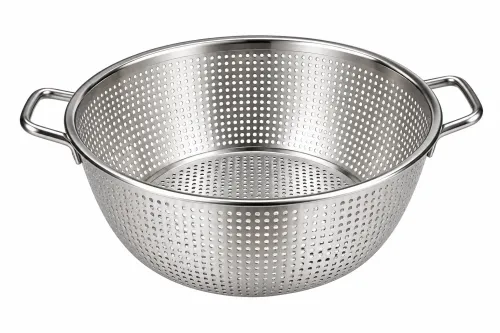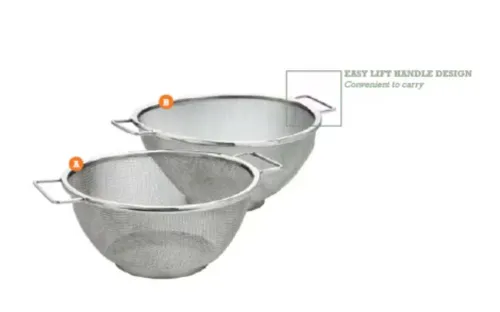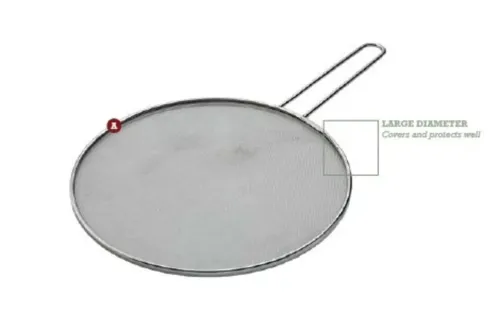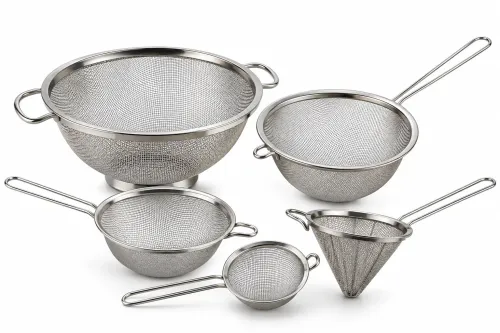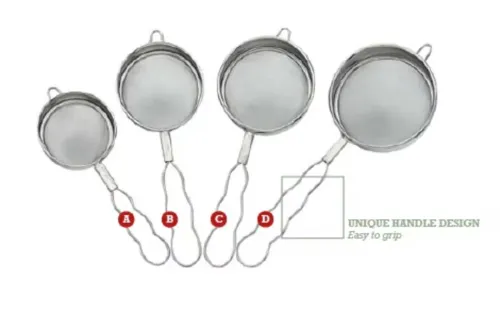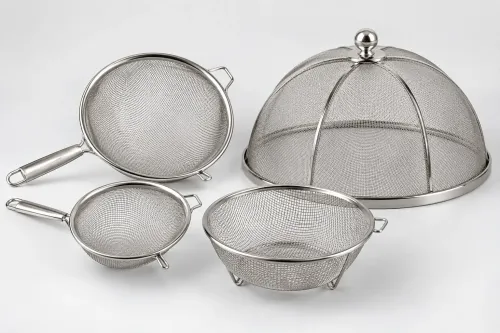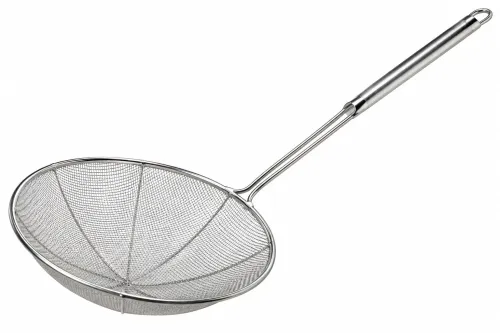
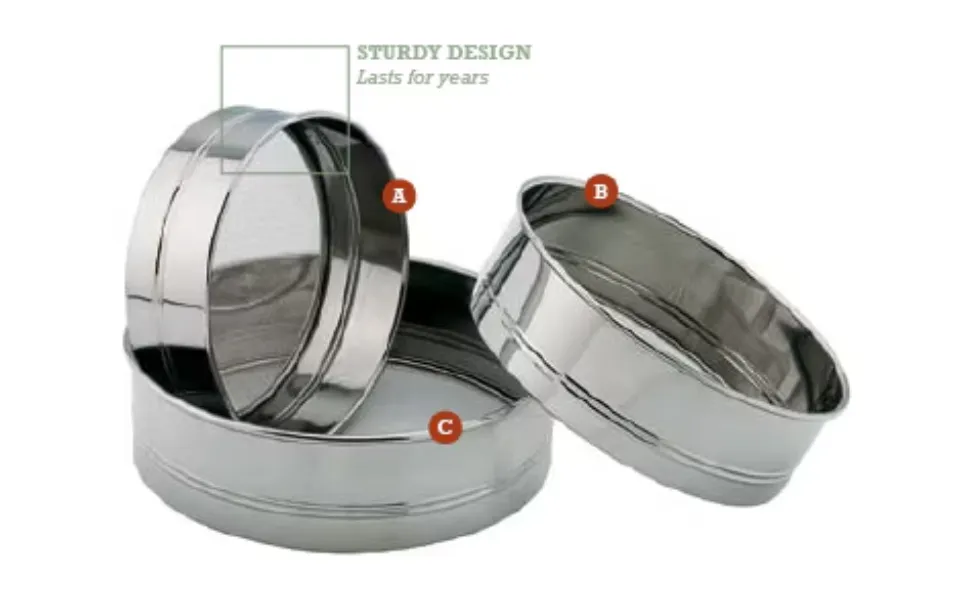
Flour sieving may appear to be a straightforward process, but choosing the wrong sieve can affect handling, screening efficiency, cleaning, and everyday convenience. Buyers evaluating Atta Sieves Manufacturers should therefore avoid making decisions solely on diameter or unit price.
For retailers, distributors, restaurants, bakeries, catering businesses, and commercial kitchens, several purchasing mistakes can be prevented by defining the application more carefully.
Buying by Diameter Alone
Diameter is important, but it does not tell the complete story.
Two atta sieves with the same outer diameter may have different mesh openings, frame depths, construction methods, or overall handling characteristics.
Before ordering, determine both the physical size and the required screening result.
Ignoring Mesh Requirements
Mesh selection influences what passes through the sieve and what remains behind.
A buyer who orders without clarifying the intended fineness may receive a product that is physically well made but unsuitable for the actual application.
Commercial purchasers should describe the ingredient and desired result when discussing requirements with a manufacturer.
Assuming Heavier Always Means Better
Weight can sometimes create an impression of strength, but it should not be used as the only indicator of product quality.
Construction quality depends on several factors, including the frame, mesh attachment, material, dimensions, and finishing.
A sieve also needs to remain practical to handle. Excessive weight can make repetitive manual use unnecessarily tiring.
Overlooking Edge and Joint Finishing
Retail photographs rarely show small construction details clearly.
Inspect the areas where mesh meets the frame and any seams or joints in the product. Finishing matters because sieves are repeatedly handled, washed, dried, and stored.
Dealers should pay particular attention to this area because poor finishing can become a source of customer dissatisfaction.
Ordering Large Quantities Without Sampling
A sample provides an opportunity to check dimensions, mesh, handling, construction, and finishing before committing to a larger batch.
This step is useful for wholesalers, exporters, and distributors placing volume orders.
A sample should ideally represent the specification that will actually be supplied rather than merely demonstrating a broadly similar product.
Forgetting About Storage and Cleaning
Commercial kitchens often keep several sieves and strainers.
Consider whether the selected dimensions fit existing storage arrangements and whether the product can be cleaned effectively within the establishment's normal routine.
Kitchenware retailers should also think about shelf space and packaging dimensions.
Focusing Only on the Initial Price
Price matters, particularly for wholesale purchases, but an unusually low quotation needs to be evaluated in context.
Compare:
- Material specification
- Mesh configuration
- Dimensions
- Construction
- Finishing
- Packaging
- Quantity
- Repeat availability
Without comparable specifications, two quotations may represent substantially different products.
Neglecting Future Procurement
Mumbai-based dealers often supply customers throughout Maharashtra and may need to replenish popular kitchenware regularly.
Before finalising a supplier, ask whether commonly purchased specifications are part of regular production. Consistent repeat supply can reduce the need to repeatedly search for alternatives.
Purchase According to the End User
An atta sieve for occasional household use and one selected for a commercial food operation may face very different usage patterns.
Unistar Kitchen Strainers manufactures sieves, strainers, and related kitchenware for different buyer requirements. Businesses comparing atta sieves manufacturers can improve purchasing outcomes by sharing clear dimensions, mesh expectations, quantities, and applications before requesting final commercial terms.
Avoiding these common mistakes makes procurement more systematic and helps ensure that the selected sieve is appropriate for the people who will actually use it.
Keywords