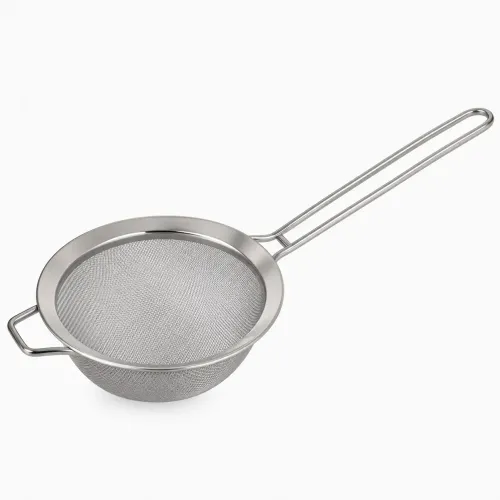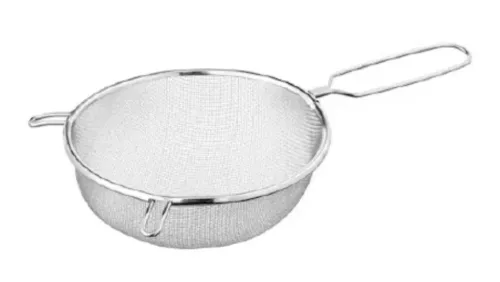
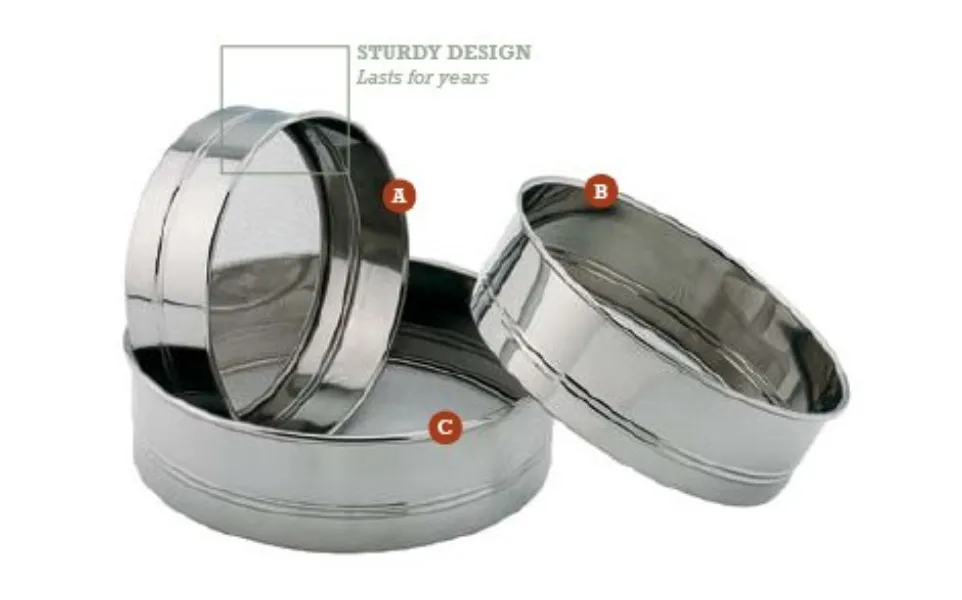
Flour preparation becomes much easier when the sieve matches the quantity and texture being handled. An unsuitable chalni can slow down work, allow unwanted coarse particles through, or require repeated sifting.
For households, food businesses, retailers, and wholesalers evaluating Atta Chalni Manufacturers, understanding the basic product differences is a useful first step toward making the right purchase.
Start With the Type of Flour Being Sieved
Not every flour preparation requirement is identical. The desired fineness can vary according to the ingredient and the final food being prepared.
The mesh of an atta chalni influences what passes through. Fine openings provide closer separation, while comparatively wider openings allow larger particles to move through.
Instead of assuming that the finest available mesh is automatically better, buyers should select one that matches their intended preparation.
Diameter Should Match Working Quantity
Size has a direct effect on convenience.
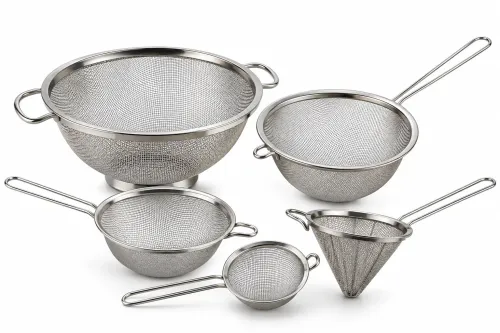
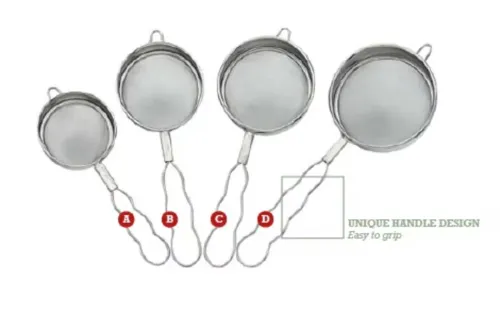
A small chalni can work well for limited household quantities but may require repeated batches in a busy commercial environment. A larger diameter can increase working area and help process greater quantities, although it also requires appropriate handling and storage space.
Consider three factors together:
- Typical quantity per batch
- Available preparation surface
- Storage capacity
Commercial kitchens should also think about how easily staff can handle the chosen size during repetitive work.
Examine the Frame and Mesh Connection
The outer frame provides structural support to the sieve. If it is weak or poorly formed, regular use can gradually affect the shape.
The connection between mesh and frame deserves equally close attention. A secure, well-finished construction contributes to more dependable handling.
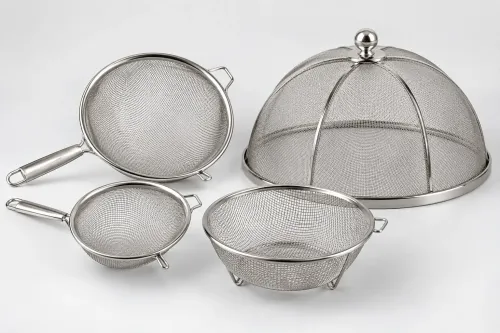
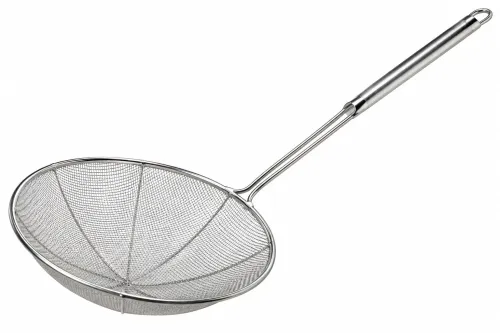
When inspecting products, look for a stable rim, consistent mesh, smooth finishing, and a shape that sits comfortably during use.
Retail Buyers Need Consistency Across Sizes
Retailers and kitchenware wholesalers face a different buying challenge from individual consumers. Their customers may request multiple sizes and mesh specifications.
Stocking a sensible range can help address household and commercial requirements without unnecessarily expanding inventory.
For example, a dealer might consider maintaining:
- Compact sizes for domestic kitchens
- Medium sizes for frequent household use
- Larger sizes for restaurants and catering operations
- Multiple mesh options where customer demand supports them
Mumbai's extensive food-service and kitchenware markets create demand from both individual users and businesses. Suppliers serving customers across Maharashtra may therefore benefit from understanding which sizes move consistently within each customer category.
Ask Manufacturers the Right Questions
Before placing a bulk order, buyers should clarify specifications rather than relying only on a product photograph.
Useful questions include:
- Which diameters are available?
- What mesh options can be supplied?
- What material is used?
- How is the mesh secured?
- Are dimensions consistent across bulk quantities?
- What packaging is used?
- Can the same specifications be reordered?
These details become particularly valuable for distributors building a repeatable product catalogue.
Unistar Kitchen Strainers is a Mumbai manufacturer supplying atta chalnis, strainers, sieves, and related kitchen products. Buyers seeking regular quantities can assess the range according to their customer profile and intended application.
Make Practical Performance the Priority
Appearance matters in retail kitchenware, but an atta chalni primarily needs to perform a repetitive preparation task effectively.
Mesh suitability, comfortable sizing, stable construction, and easy maintenance have a greater impact on everyday usefulness.
Cleaning should also be straightforward. Flour particles left around mesh joints can accumulate, so sieves should be cleaned and stored according to their material and intended use.
Choosing an atta chalni becomes simpler once the requirement is clearly defined. Determine the flour type, preferred mesh, working quantity, diameter, construction, and expected usage frequency. These factors provide a much stronger basis for selecting products than price or appearance alone.
Keywords