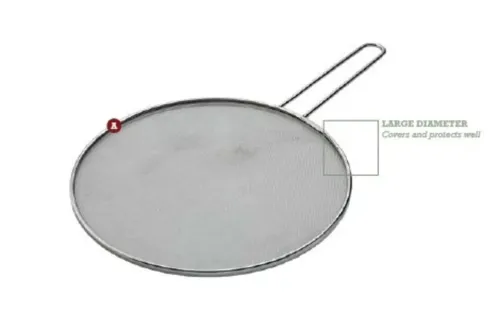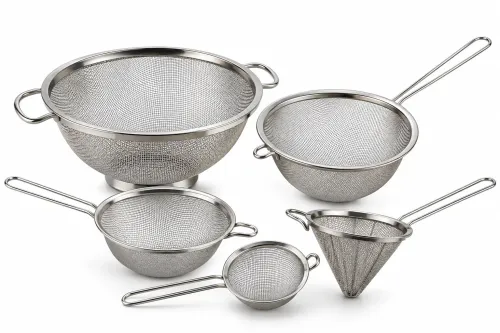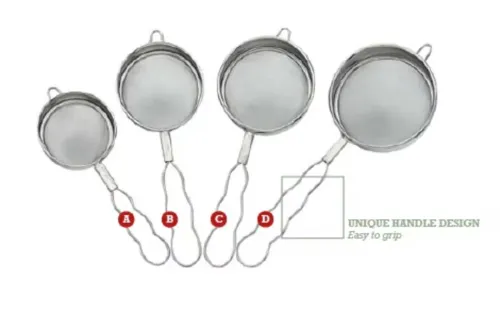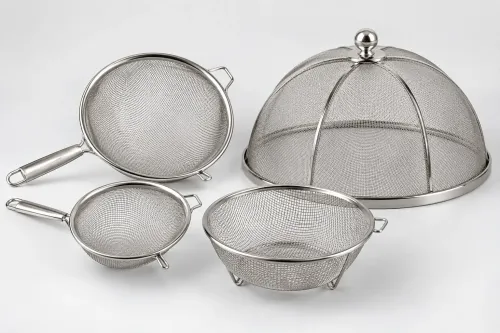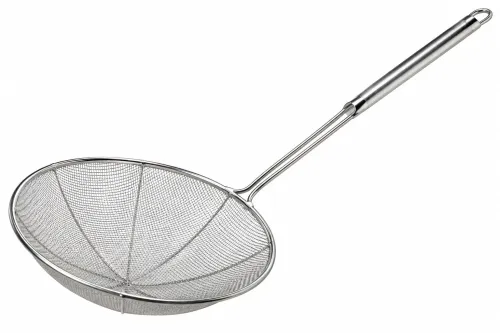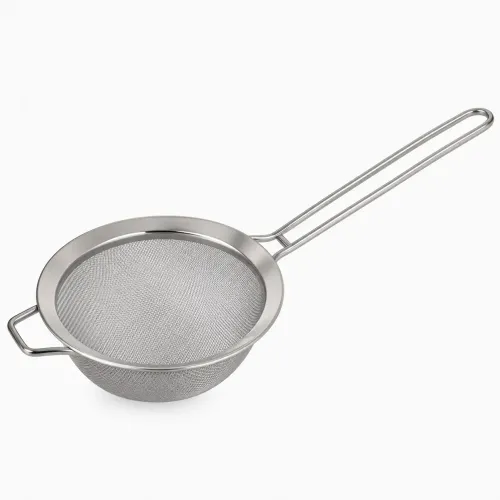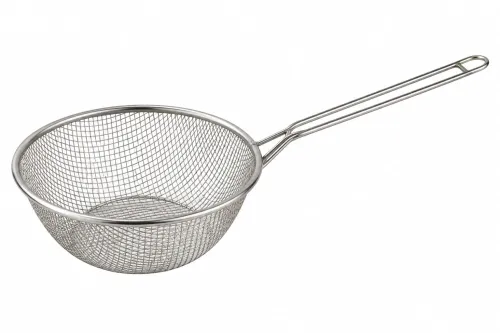
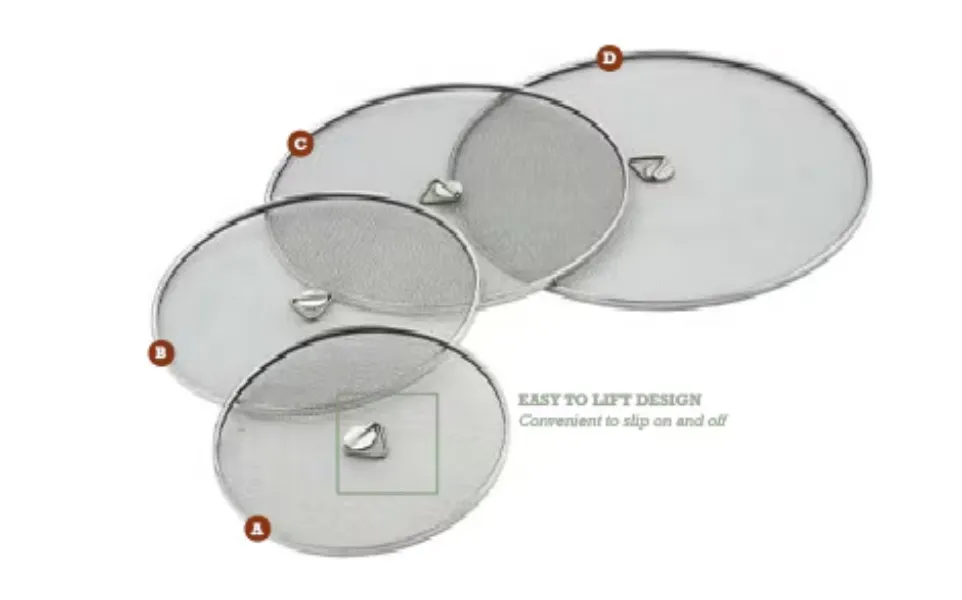
Food covers are simple products with an important practical purpose in many hospitality and food-service environments. Businesses evaluating Stainless steel Net and food Cover manufacturers should look beyond appearance and compare construction, mesh quality, dimensions, finishing, and supply consistency.
This is particularly relevant for hotels, restaurants, caterers, kitchenware dealers, and hospitality suppliers that purchase products repeatedly.
Start With Where the Food Cover Will Be Used
Different environments create different product requirements.
A cover intended for a restaurant table may need a different size and presentation from one used for catering setups, serving counters, or back-of-house food preparation.
Buyers should first establish the intended application, including:
- Plate coverage
- Serving dish coverage
- Buffet presentation
- Catering use
- Temporary food protection
- Commercial kitchen requirements
Knowing the dimensions of the plates, trays, or dishes being covered is particularly useful.
Examine the Net Construction
A food cover needs to provide adequate coverage while remaining practical to handle.
When evaluating samples, check whether the net appears uniform and properly secured to the frame. Large gaps around the perimeter can reduce the usefulness of the cover.
The exact mesh configuration should be selected according to the intended purpose rather than assuming that every stainless steel net product performs identically.
Compare Frame and Handle Quality
Commercial products experience more handling than occasional household kitchenware.
The frame should maintain its shape during normal use and cleaning. Handles or knobs should be securely fitted and comfortable enough for routine lifting.
Buyers can inspect:
- Frame rigidity
- Mesh attachment
- Handle security
- Edge finishing
- Overall balance
- Surface finish
Small construction differences become much more noticeable when products are used repeatedly.
Stainless Steel Grade Should Be Discussed Clearly
The term stainless steel covers a range of material grades and specifications.
Commercial buyers should ask suppliers for material information relevant to the particular product instead of relying only on a general stainless steel description. Suitability can depend on the application, cleaning environment, construction, and required product life.
This is especially important for distributors and exporters that may need consistent specifications across repeated orders.
Standardisation Matters for Hospitality Buyers
A hotel group, catering company, or restaurant chain may want the same design across several locations.
In these situations, reliable dimensions and repeat availability can matter as much as the individual product itself.
Kitchenware dealers also benefit from standardisation because customers can reorder familiar products without receiving noticeably different dimensions or construction.
Evaluate Manufacturers as Supply Partners
Price is naturally part of procurement, but it should not be the only comparison point.
Businesses in Mumbai and across Maharashtra can also assess manufacturers according to:
- Product range
- Available dimensions
- Material information
- Sample quality
- Finishing consistency
- Order quantities
- Packaging
- Production capability
- Repeat-order support
- Dispatch arrangements
These factors become increasingly important as purchase volumes grow.
Make the Decision From Samples and Specifications
Photographs can help shortlist products, but they cannot fully communicate mesh rigidity, frame strength, handling, or finishing.
A representative sample gives commercial buyers a clearer basis for evaluation.
Unistar Kitchen Strainers manufactures strainers and related kitchenware products for different commercial requirements. Buyers comparing stainless steel net and food cover manufacturers in Mumbai should define their application, dimensions, expected quantities, and material requirements before requesting quotations. This creates a more meaningful comparison and reduces the risk of selecting products that look suitable on paper but do not match everyday operational needs.
Keywords