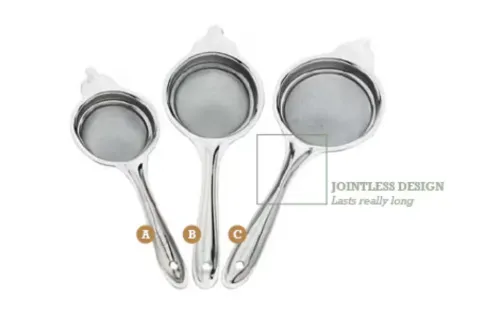


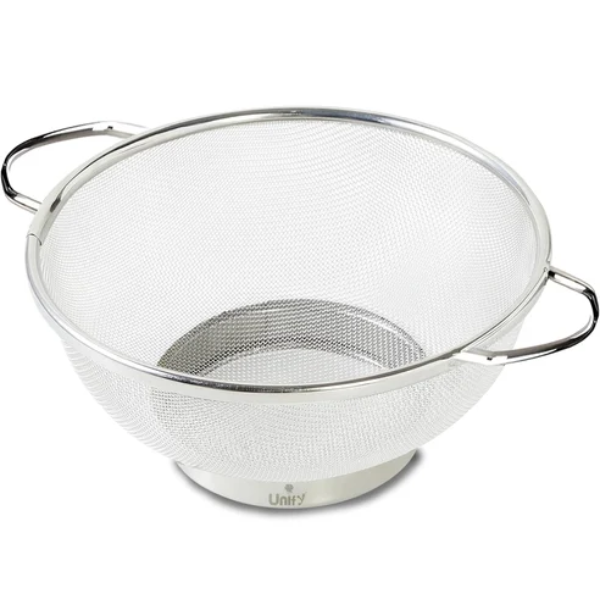
Vegetable washing is a routine but high-frequency activity in restaurants, hotels, catering kitchens, canteens, and other food-service operations. Selecting the right product from a vegetable washing basket manufacturer requires consideration of capacity, drainage, construction, handling, cleaning, and procurement consistency.
For commercial buyers, a basket should fit into the actual preparation workflow rather than simply being chosen by appearance.
Determine the Typical Washing Quantity
Start with the volume of vegetables normally handled in one batch.
A compact restaurant and a large catering kitchen may require very different basket capacities. Choosing a basket that is too small creates repeated washing cycles, while an unnecessarily large basket may become cumbersome when loaded.
Buyers should therefore consider both capacity and comfortable manual handling.
Evaluate Drainage
A washing basket needs adequate openings to allow water to drain.
The pattern and size of those openings should also be suitable for the produce being handled. Large openings may be inappropriate for small ingredients, while very restrictive openings can slow drainage.
For businesses washing several types of vegetables, more than one basket specification may be useful.
Consider the Weight When Loaded
An empty basket can feel lightweight and easy to handle, but the experience changes when it contains vegetables and water.
Commercial buyers should consider:
- Basket dimensions
- Expected food load
- Grip areas
- Lifting method
- Movement between washing and preparation areas
Staff should be able to handle the basket appropriately within the kitchen's normal workflow.
Inspect Construction and Finishing
Frequent washing, lifting, draining, and storage place repeated demands on kitchen equipment.
Before placing a volume order, inspect the basket for structural stability and appropriate finishing. Any joints, rims, handles, mesh, or perforated areas should be evaluated according to the product design.
For dealers, product presentation matters as well because customers often inspect finishing before purchasing kitchenware.
Make Cleaning Part of Product Selection
A vegetable washing basket itself needs to be kept clean.
Complicated joints and difficult-to-access areas can make routine cleaning more demanding. Buyers should consider whether the product design suits the establishment's cleaning practices.
Appropriate drying and storage are also important after use.
Commercial Procurement Requires Consistency
Restaurant groups, hotels, and catering businesses may need several matching baskets. Distributors may need considerably larger quantities.
Buyers in Mumbai and elsewhere in Maharashtra should therefore assess whether a manufacturer can provide consistent sizes and construction across an order and support repeat procurement later.
A useful purchasing enquiry should include:
- Required dimensions
- Approximate capacity
- Material preference
- Intended application
- Required quantity
- Packaging expectations
- Delivery destination
This gives the manufacturer enough information to discuss appropriate options.
Evaluate the Supplier Before Scaling the Order
For substantial purchases, begin with product specifications and representative samples.
Unistar Kitchen Strainers manufactures strainers, baskets, sieves, and related kitchenware for commercial and trade requirements. Hotels, restaurants, caterers, dealers, and food-service businesses evaluating a vegetable washing basket manufacturer in Mumbai can use samples to check dimensions, drainage, handling, construction, and finishing before progressing to larger quantities.
A well-selected basket can simplify a repetitive kitchen task. The key is matching its capacity and construction to the actual volume of food being handled rather than treating every commercial kitchen as having the same requirement.