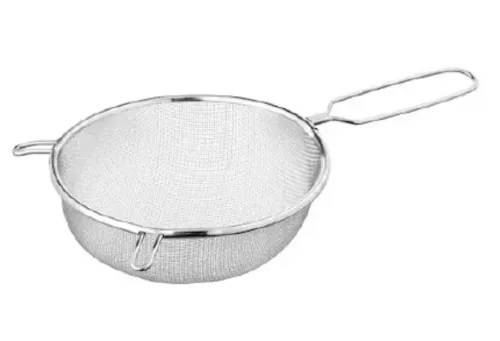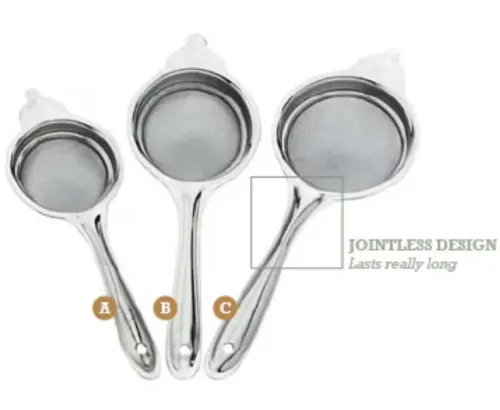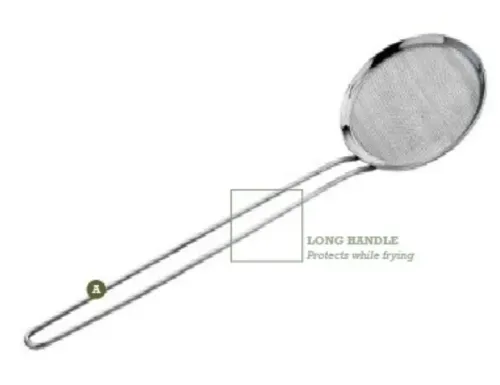


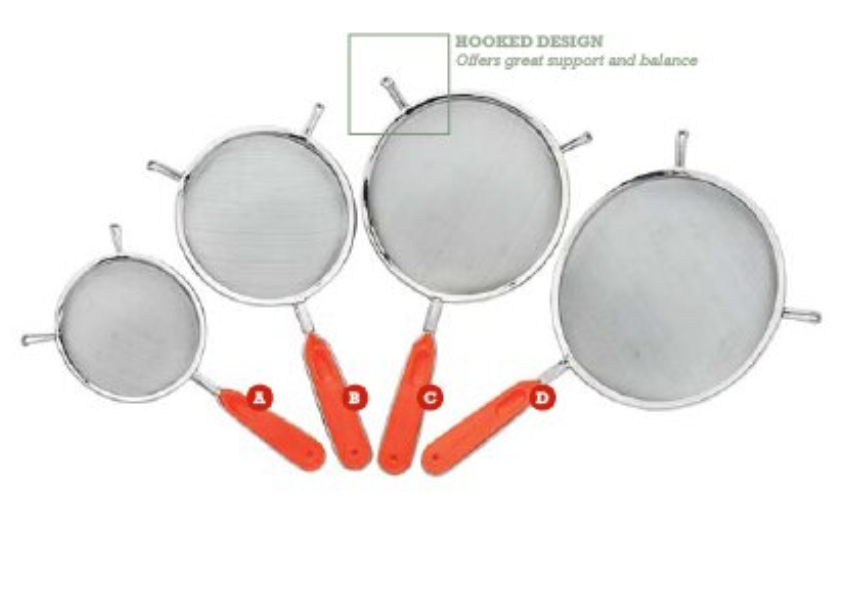
Straining is one of the most frequent tasks in food preparation. From separating liquids to handling washed ingredients, kitchens need utensils that are easy to use and suited to the quantities being prepared. A Tin Plated Strainer is one option available for specific kitchen applications where practical construction and dependable handling are priorities.
Understanding its design, appropriate uses, and quality indicators helps buyers make a more informed selection.
Understanding Tin Plated Construction
Tin plating involves applying a layer of tin over a base metal. The resulting utensil combines the structural properties of the underlying material with the characteristics of the plated surface.
The usefulness of the finished strainer, however, depends on more than the words “tin plated.” Manufacturing quality, coating condition, frame construction, mesh consistency, and intended application all matter.
A properly selected utensil should be appropriate for the food preparation task for which it is being purchased.
Everyday Applications Depend on Design
Strainers are available with different mesh patterns, depths, diameters, handles, and supporting frames. These differences affect how they perform.
Fine openings can be useful when smaller particles need to be separated, while comparatively wider openings may support faster draining of larger ingredients.
A deeper design can handle a greater quantity without requiring an unusually wide utensil. Shallower models may be convenient for quick handling tasks.
This is why commercial buyers should avoid selecting strainers based solely on appearance.
What Dealers Should Examine Before Buying
Kitchenware dealers and wholesalers need products that remain consistent across repeat orders. Customers frequently return asking for the same size or specification they purchased previously.
Useful evaluation points include:
- Uniform mesh construction
- Firm outer rim
- Secure handle fitting
- Smooth edges
- Consistent shape
- Suitable depth
- Appropriate plating and finish
- Practical packaging for bulk handling
Consistency becomes particularly important when products are supplied to restaurants, caterers, canteens, and commercial kitchens.
Mumbai has a large hospitality and food-service ecosystem serving customers throughout Maharashtra. Kitchenware distributors working in this market often benefit from carrying several strainer sizes rather than relying on one general-purpose design.
Matching the Product to the Kitchen
A household kitchen may use a strainer only several times a day. A restaurant can use similar utensils repeatedly throughout a single service period.
That difference changes what buyers should prioritize.
Commercial users generally need to consider handling frequency, quantity, cleaning routines, storage, and the types of ingredients being processed. A product intended for occasional domestic use should not automatically be assumed to meet every heavy-use requirement.
When purchasing for a professional kitchen, specifications should therefore be discussed according to actual application.
Proper Handling Protects the Product
Plated kitchen utensils require appropriate care to maintain their condition. Aggressive scraping, unsuitable cleaning practices, and poor storage can affect surface quality over time.
After use, food particles should be removed from the mesh and the utensil should be cleaned according to suitable procedures. Buyers should also inspect plated surfaces periodically and discontinue food-contact use if the condition no longer meets applicable hygiene requirements.
Why Manufacturing Consistency Matters
For individual buyers, one good utensil may be enough. Dealers and distributors have a different concern. They need repeatable quality across larger quantities.
Unistar Kitchen Strainers, a Mumbai-based manufacturer, supplies strainers and related kitchen products for different buyer requirements. For commercial purchasers, discussing size, construction, quantity, and intended application before ordering helps reduce mismatched purchases.
Tin plated strainers can provide practical value when selected for suitable applications and maintained correctly. The most dependable buying decisions come from looking beyond the product name and evaluating its mesh, frame, finish, dimensions, and intended working conditions.